Industries Served
Automotive, consumer products, energy storage, industrial and life sciences — five industries, and the same application engineering method in all of them.
- Territory
- Indiana, Kentucky & select clients beyond
- Experience
- 28 years mechanical engineering
- Direct line
- (765) 524-7595
What industries does Vertex serve?
Vertex Manufacturing Solutions serves five primary industries — automotive, consumer products, energy storage, industrial manufacturing and life sciences. Each uses different combinations of plastic welding, assembly automation, metal riveting and ultrasonic metal welding equipment. Vertex specifies the technology that fits the application based on part geometry, material and production volume.
Vertex has completed roughly 300 projects across these industries over 12 years in business. The application engineering approach stays the same regardless of industry — assess the part, pick the technology, prove viability when needed, and support the client through implementation.
What Vertex brings to every industry
- Coverage across five primary manufacturing industries
- Application engineering approach grounded in the part, not the brochure
- 28 years of mechanical engineering experience on every specification
- Roughly 300 completed projects across all five industries
- Lab work and feasibility studies before any capital commitment
- Equipment specification from authorised capital equipment manufacturers
- Direct access to a degreed mechanical engineer on every project
- Indiana, Kentucky and select clients outside that footprint
Automotive manufacturing
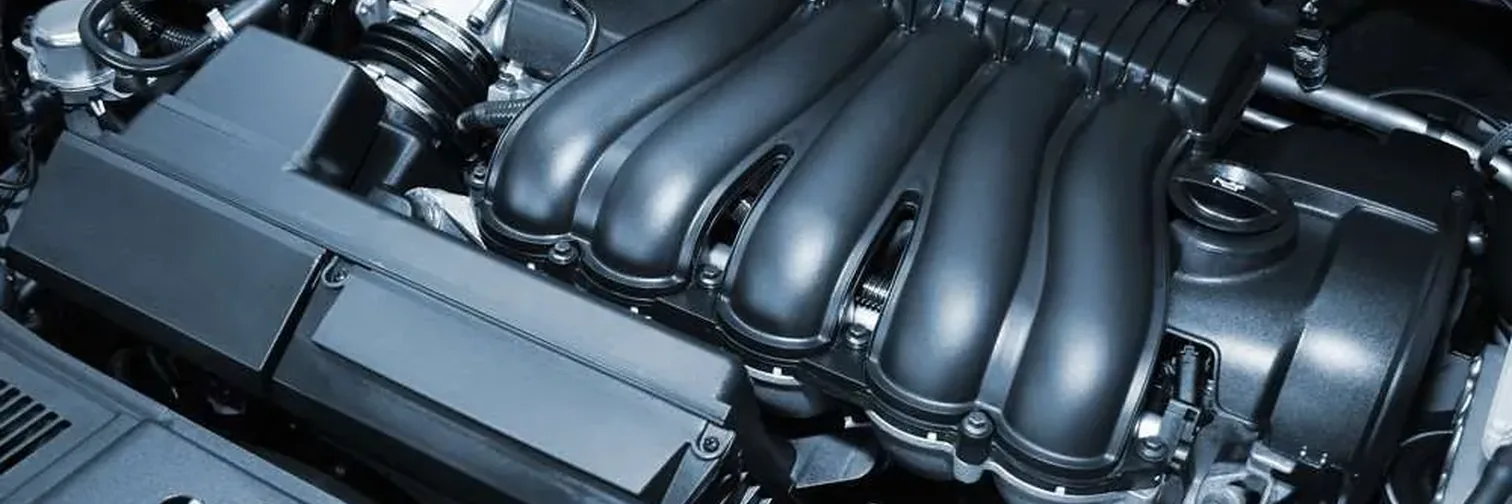
Automotive has been the largest single industry for Vertex since 2014. Applications span batteries, door panels, electronics, EV powertrain components, exterior systems, fluid systems, HVAC, interiors, lighting and underhood assemblies. Vertex worked with a Tier 1 automotive supplier on a plastic welding project that replaced an existing gluing process for large truck grilles, deploying a custom 42-point infrared heat staking machine into production.
Consumer products manufacturing
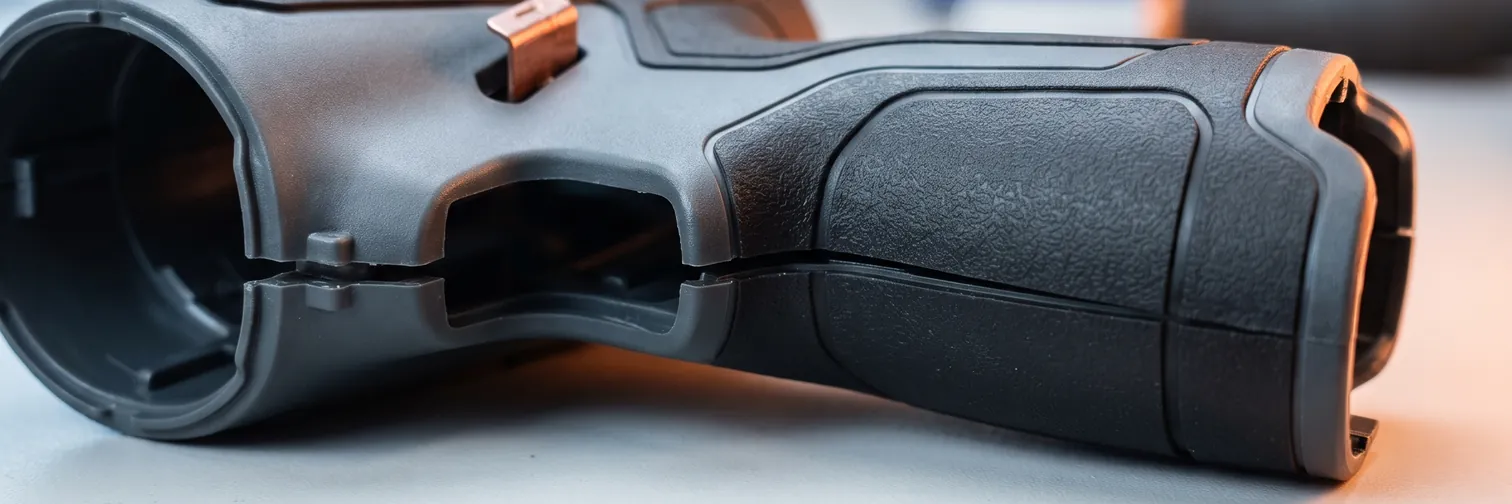
Consumer products covers a wide range of categories — appliances, drones, electronics, food and beverage packaging, furniture, lighting, pool systems, power sports vehicles, power tools, sporting goods and pet products. Applications often combine welding with assembly automation to handle high production volumes at consumer-grade margins. Cycle time, fastener consistency and quality verification drive most equipment decisions in this space.
Energy storage manufacturing

Energy storage has grown into a distinct industry of its own. Vertex supports battery energy storage systems including battery modules, flow batteries, membranes and stack-welded assemblies. Chemistries served include lithium-ion, lithium iron phosphate, lead acid, AGM, deep cycle and supercapacitors. Ultrasonic metal welding sits at the center of the joint strategy on most modern pack designs — cell tabs, busbars and module-level connections all depend on reliable solid-state welds.
Industrial manufacturing

Industrial manufacturing at Vertex covers aerospace, defense, heavy equipment, and pallet and dunnage. Aerospace work includes panels, seating and windows. Defense spans ammunition, electronics and protective gear. Heavy equipment covers engine components, exterior systems and filter systems. A defense customer building devices for naval assets uses Visumatic VLB-900 screw feed and drive systems Vertex specified, alongside metal riveting options for structural applications.
Life sciences manufacturing

Life sciences covers diagnostics, durable medical equipment, filtration, medical devices, single-use disposables and surgical robots. Vertex has supported applications including blood cartridges, microfluidics, point-of-care testing, CPAP systems, dialysis equipment, capsule filters, catheters, continuous glucose monitors, drug delivery devices, endoscopy tools, perfusion components, vaccine production and surgical robot end effectors. The category demands precision, low particulate generation and traceability.
Why Vertex across every industry
Across roughly 300 projects since 2014, Vertex has built application engineering experience that crosses industry boundaries. A battery pack lesson from EV powertrain transfers to BESS module work. A plastic welding feasibility study on an automotive fluid bottle informs a medical filtration housing next quarter.
Does Vertex work with EV powertrain and battery manufacturers?
EV and battery
Yes. EV powertrain and battery manufacturing sit at the center of two industries Vertex serves — automotive and energy storage. The work spans battery modules, busbars, thermal management systems, manifolds and spray bars. Ultrasonic welding handles tab-to-cell and tab-to-busbar joints. Plastic welding handles fluid management and battery enclosures.
How does Vertex choose equipment for a specific industry?
The short answer
Vertex chooses equipment based on the part, not the industry. Two automotive assemblies in different sub-categories often need different welding technologies. A battery enclosure and a door panel both fall under automotive, but joint requirements, material pairings and production volumes are entirely different. The application engineering approach drives the recommendation regardless of industry.
Frequently asked questions
Plastic welding shows up across most automotive sub-categories — fluid bottles and reservoirs, instrument panels, headlights and taillights, HVAC ducts, air boxes, door panel subassemblies, exterior badges and interior trim. Hot plate welding handles fluid systems. Ultrasonic and laser welding handle interior and lighting work. Heat staking captures inserts, PCBs and trim layers across the vehicle.
Yes. Vertex works with battery and energy storage manufacturers across the size spectrum, including startup operations bringing new chemistries or pack designs to production. The application engineering approach fits early-stage manufacturers well, since feasibility lab work proves the welding process before capital is committed to a production line.
Yes. Life sciences applications include medical device contract manufacturers across diagnostics, drug delivery, surgical instruments and single-use disposables. Vertex specifies plastic welding, assembly automation and verification systems for these clients. The category typically demands precision, low particulate generation and traceability.
Industrial metal riveting applications include aerospace structural panels, heavy equipment engine components, defense electronics housings and pallet assemblies. Radial riveting handles delicate work. Orbital riveting handles structural joints. Servo riveting adds traceability for defense and aerospace where every joint must be proved.
Vertex focuses on industries that use assembly, test and inspection automation, including the five named above. Industries that do not fit those capital equipment categories sit outside the practical scope. The best way to confirm fit for a specific application is to contact Jeff Trotta directly.
Tell us what you are building.
Whichever industry you are in, the first conversation is about the part — geometry, material, joint requirement and volume.